
On October 19 Amazon announced TorchNeuron, which uses PyTorch's standard PrivateUse1 device-backend mechanism to register Trainium as a native "neuron" device, with eager mode, torch.compile and native distributed APIs such as FSDP, DTensor and DDP on Trn2 and Trn3. Amazon says existing PyTorch code runs with a single device configuration change, and it will be open-sourced under Apache 2.0 at PyTorch Conference North America on October 20. The official docs still list it as a closed beta for now.
Key Takeaways
- ✓Open-source release: October 20 at PyTorch Conference North America, Apache 2.0 license (per Amazon).
- ✓Hardware: Trainium2 and Trainium3; registers as the neuron device via PrivateUse1, with eager mode and torch.compile(backend="neuron").
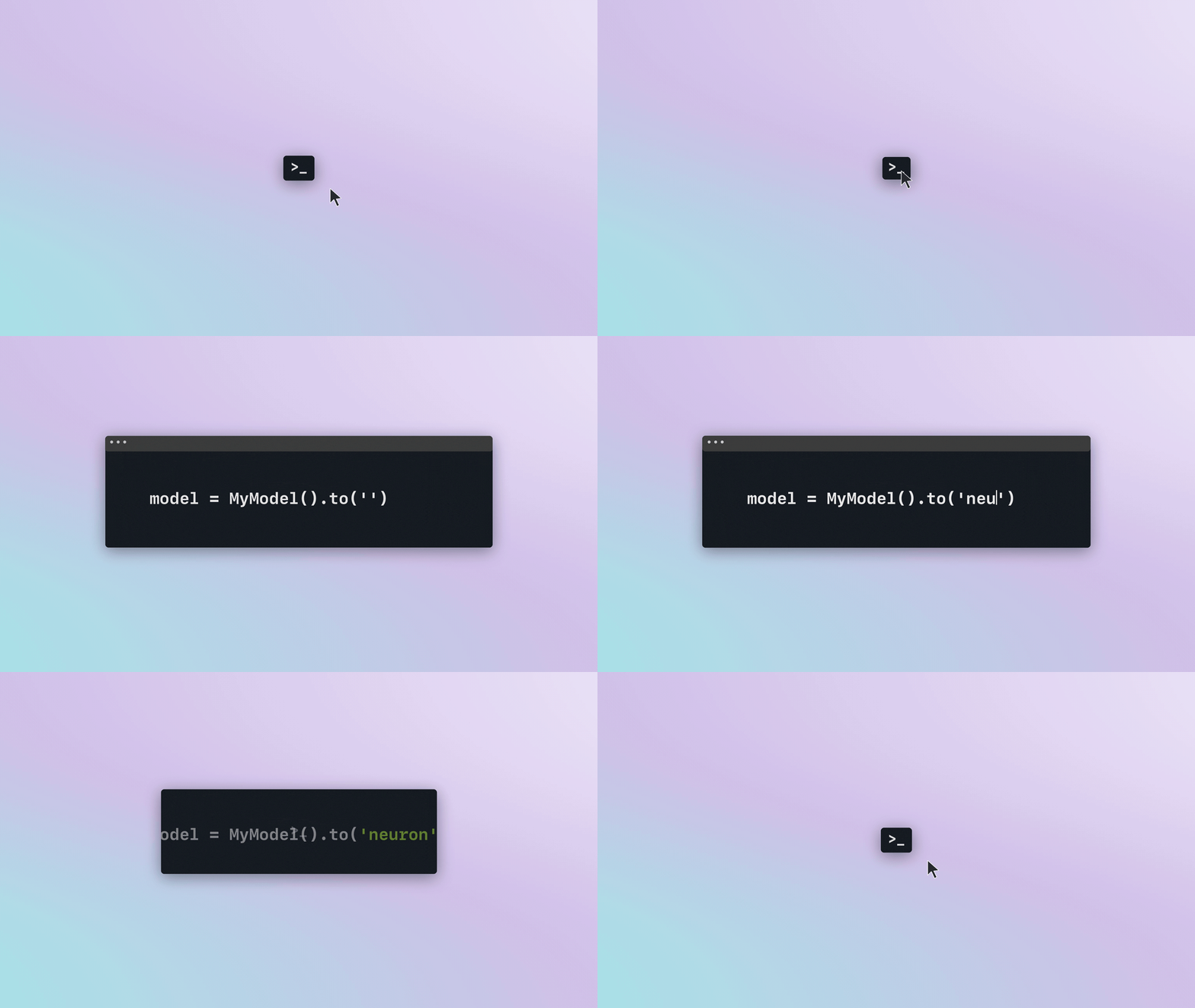
- ✓Migration: Amazon markets it as one configuration change with no rewrite; the docs list .to("cuda") to .to("neuron") as the minimum, and tensor parallelism also needs sharding set by NeuronCore count.
- ✓PyTorch 2.9 is the last PyTorch/XLA-based release; from PyTorch 2.10 Neuron moves to TorchNeuron, so older scripts need updates.
- ✓Quality and ecosystem: Amazon says every build is tested against hundreds of thousands of models, TorchTitan is integrated and Hugging Face tools support Trainium natively; no performance benchmarks were published.
Key Decision Metrics at a Glance
Turn your technical choice into a development budget
Compare 40 dev plans & simulate token costs vs $20/mo subscriptions
Project Links & Resources
Direct AccessIn-Depth Technical Analysis
Core Background & Industry Pain Points
Amazon cites that 85% of AI researchers and developers write in PyTorch, yet few chips run that code smoothly. Moving to new hardware usually means rewriting and revalidating, and for small teams engineering time costs more than the chip. Trainium previously relied on PyTorch/XLA, which differs noticeably from CUDA habits.
Architecture Highlights & Mechanism
TorchNeuron drops XLA and uses PyTorch's built-in PrivateUse1 device-backend mechanism to register Trainium as a native neuron device. It offers eager mode for debugging, torch.compile for JIT compilation, native FSDP, DTensor, DDP and tensor parallelism, and custom kernels via NKI. Amazon is also upstreaming changes that remove chip-specific code from PyTorch.
Authoritative Benchmarks & Measured Results
No performance benchmarks were published. Amazon only says the same training script run side by side on a conventional chip and on Trainium learned at the same rate, and that every build is tested against hundreds of thousands of models. Real throughput and cost comparisons will have to wait for community testing after release.
Developer Hands-On Guide
Amazon markets one configuration change with no rewrite; the docs are more specific: change .to("cuda") to .to("neuron") and pass backend="neuron" to torch.compile. FSDP needs little change, while tensor parallelism needs sharding set by NeuronCore count. PyTorch 2.10+ is required; 2.9 is the last XLA release. The docs still say closed beta, the open-source release is due October 20, and early users include Cartesia and the Lieber Institute.
Benchmark side-by-side against alternatives, or calculate monthly token cost vs subscription break-even.
Discussion & Comments
0Sign in to join the discussion
Connect with AI developers to exchange benchmark insights.