

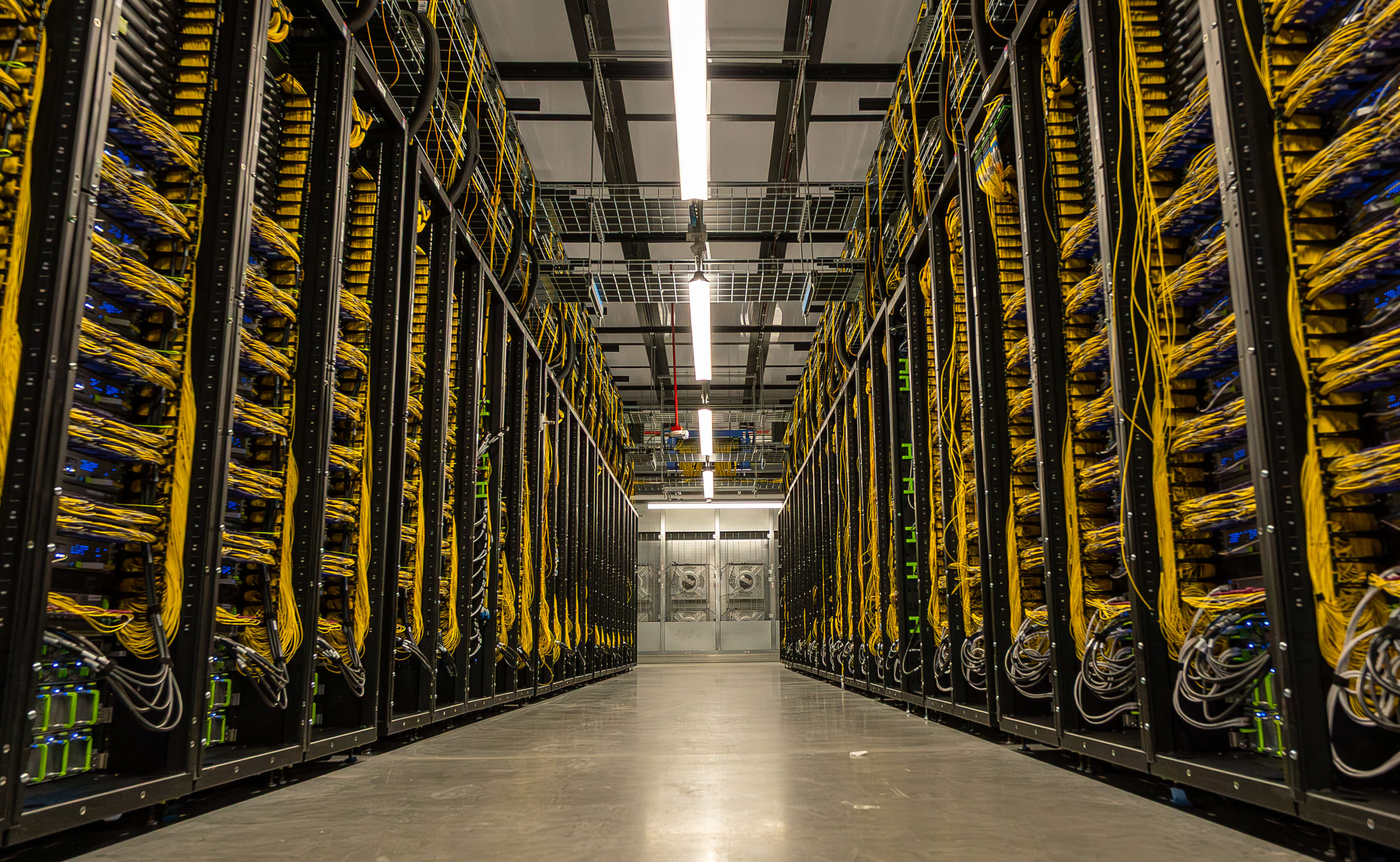
Meta's engineering blog on October 19 gave the first detailed look at Prometheus, the New Albany, Ohio supercluster that trained the Muse family, including Muse Wonder. Phase one is complete with hundreds of thousands of GPUs, and the full build targets about 1 million. Muse Wonder training reached more than 85% goodput in pretraining and more than 90% in reinforcement learning, with a mean time between interruptions of about 47K GPU hours, since raised above 54K by firmware fixes. It runs GB200 NVL72 and GB300 NVL72 platforms, with Vera Rubin NVL72 arriving soon.
Key Takeaways
- ✓Scale: phase one trained the Muse family; it has hundreds of thousands of GPUs today, targets about 1 million, and runs across buildings as a single machine.
- ✓Reliability: Muse Wonder hit 85%+ pretraining goodput and 90%+ for RL; MTBI was about 47K GPU hours and is now above 54K.
- ✓Interruptions: a mid-2025 peak of nearly 1,000 events per 8K GPUs per day was cut by 99% over a year of engineering.
- ✓Sparing: each NVL72 rack runs a 64-GPU slice with 8 in-rack spares, plus about 2% spare racks; a 32,768-GPU job needs 523 racks or 37,656 GPUs, about 13% extra.
- ✓Network: each building fabric links up to 20,736 GPUs, and the aggregation network spans 2 km to over 100 km.
Key Decision Metrics at a Glance
Turn your technical choice into a development budget
Compare 40 dev plans & simulate token costs vs $20/mo subscriptions
Project Links & Resources
Direct AccessIn-Depth Technical Analysis
Background and the industry pain point
Frontier training keeps hundreds of thousands of GPUs in lockstep, so one lagging host can slow or halt a job, which makes goodput a key metric in the compute race. On October 19 Meta's engineering blog gave the first detailed look at Prometheus in New Albany, Ohio. Two years ago it was a conventional web data center; phase one is now complete and trained the Muse family, including Muse Wonder, with a full build of about 1 million GPUs planned.
Architecture and mechanism
Two platforms are deployed. Catalina uses the two-rack Ariel variant of GB200 NVL72, delivering 800G scale-out per GPU early. Clemente uses GB300 NVL72, raising HBM per GPU from 192 GB to 288 GB, with Meta citing 5–10% better performance than GB200 NVL72. Vera Rubin NVL72 arrives next. Each building fabric links up to 20,736 GPUs, and the aggregation network spans 2 km to over 100 km. For fault tolerance, each 72-GPU rack runs 64 GPUs with 8 hot spares, combined with PAFT, which isolates faults to one data-parallel replica, and asynchronous delta checkpointing.
Benchmarks
All figures are Meta's: Muse Wonder hit more than 85% pretraining goodput and more than 90% for RL; MTBI was about 47K GPU hours and exceeds 54K after firmware fixes. Early in phase one in mid-2025, interruptions peaked near 1,000 per 8K GPUs per day and fell 99% within a year. Total compute and cost were not disclosed.
Takeaways for builders
Few developers will touch a cluster like this, but the design ideas carry over: plan capacity by rack rather than by GPU, slice in powers of two with in-rack spares, contain faults to one data-parallel replica so the rest keep training, and write checkpoints asynchronously to tiered storage. Teams running training or inference fleets can benchmark their own monitoring against the goodput and MTBI figures in the post.
Benchmark side-by-side against alternatives, or calculate monthly token cost vs subscription break-even.
Discussion & Comments
0Sign in to join the discussion
Connect with AI developers to exchange benchmark insights.