
Springer Nature and Google DeepMind partner on an AI peer review assistant built on Gemini and the open-source ADK; a prototype is in testing and human reviewers keep final judgment
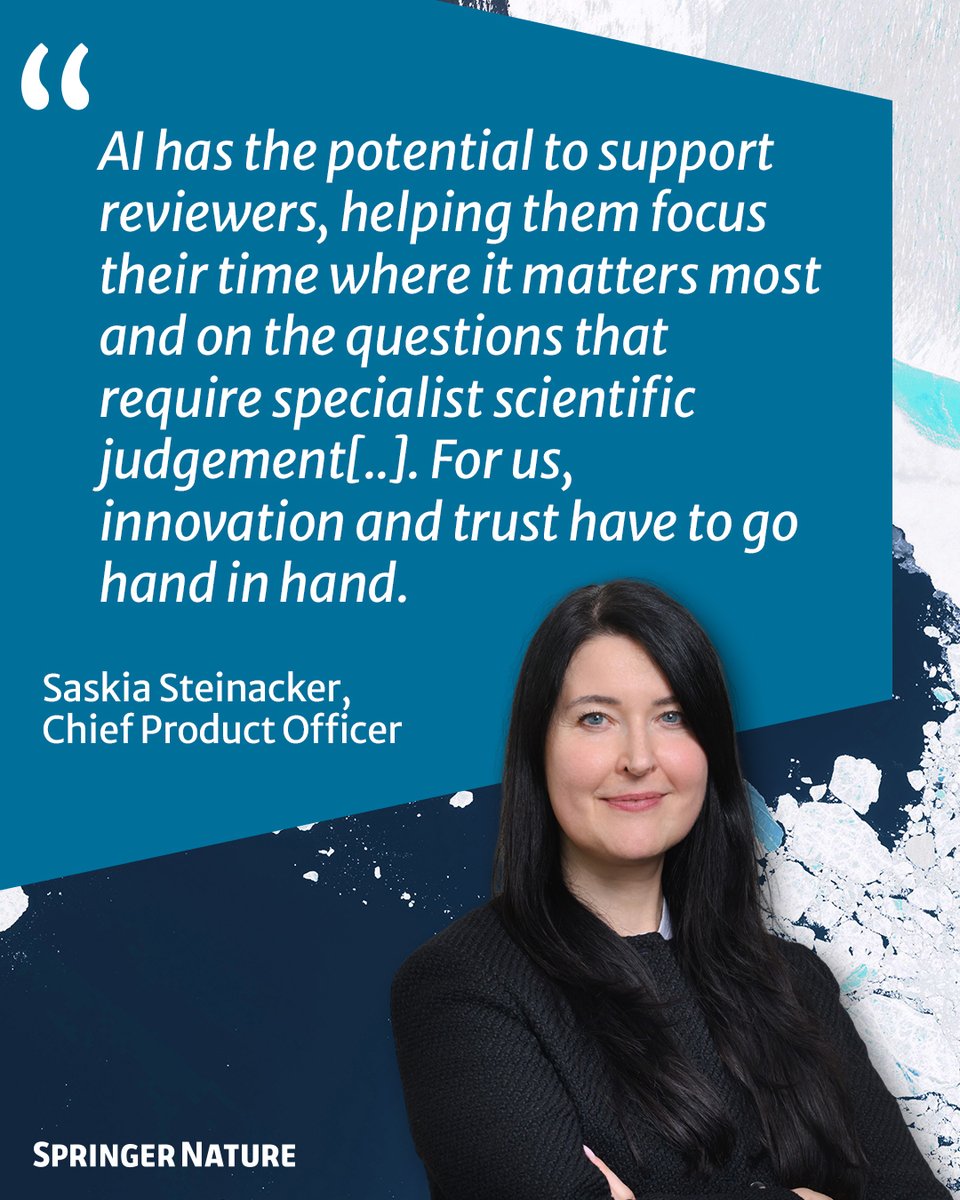
On Oct 26 Springer Nature, one of the world's largest research publishers, announced a research partnership with Google DeepMind to co-design an AI peer review assistant. It uses DeepMind's frontier Gemini models and builds on Google's earlier agentic research tools ScholarPeer and Deep Review to help reviewers navigate manuscripts, analyse large amounts of text, charts and figures, and flag areas that may need closer attention. The system is built with Google's open-source Agent Development Kit (ADK) and runs only inside Springer Nature's private Gemini Enterprise environment, so manuscript content stays in its secure environment. A prototype is being tested; the publisher stresses 'human first, AI second' and has not given a launch date or any performance data.
Key Takeaways
- Partners: Springer Nature (publisher of the largest number of journals and books) and Google DeepMind, announced 2026-10-26 from London, Berlin and New York (press release)
- Stack: frontier Gemini models plus Google's open-source Agent Development Kit (ADK), building on the ScholarPeer and Deep Review agentic research tools
- Data isolation: runs only on Springer Nature's private Gemini Enterprise platform, keeping author and reviewer confidentiality
- Status: prototype in testing; no launch date, journal coverage or accuracy figures have been published
- Role: helps reviewers find areas needing attention, while final scientific judgment stays with human experts